Unfused
An online journal by
deo
veritas
All
Featured
Lifestyle
Menswear
Shirts
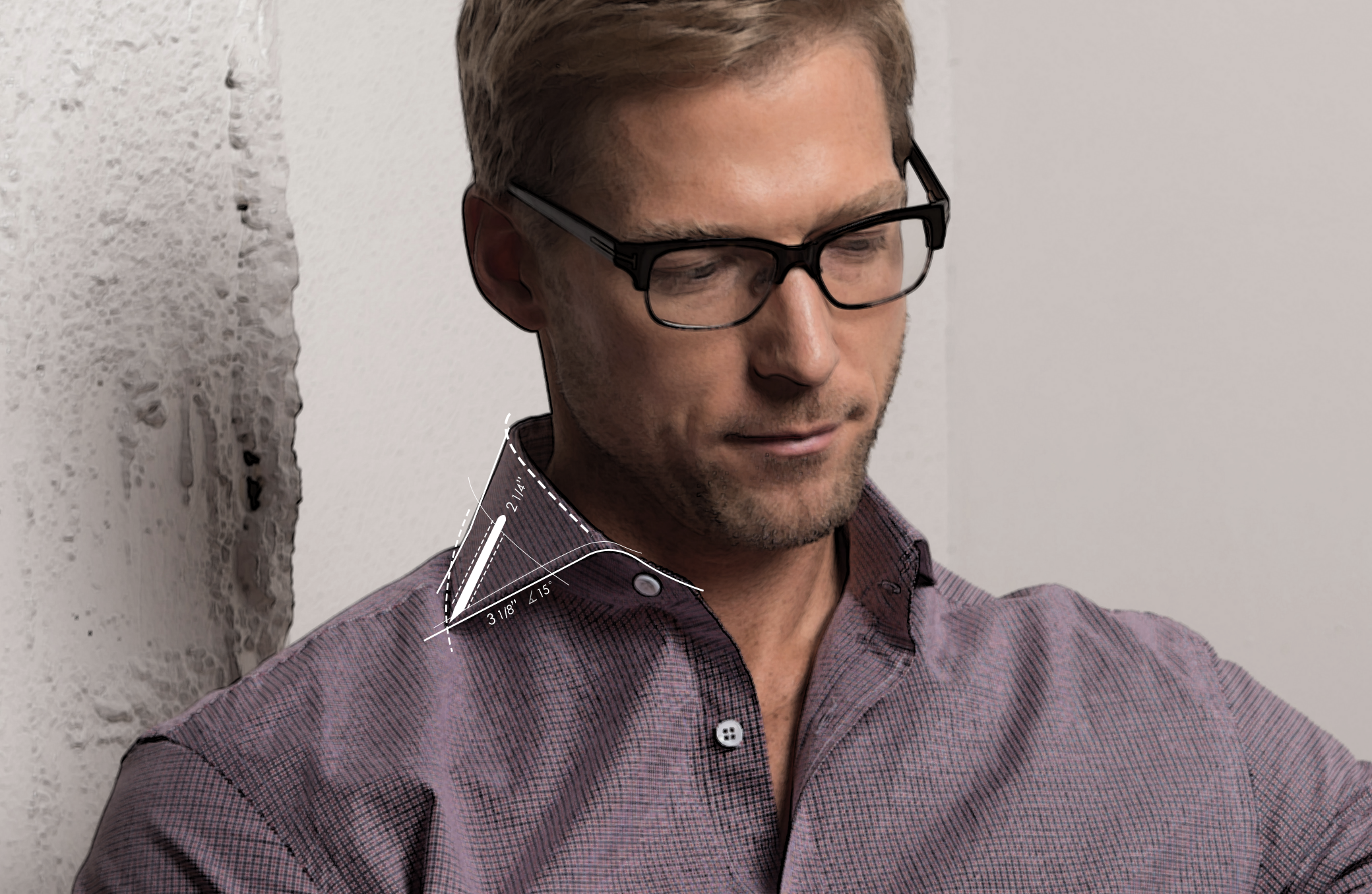
Bond Approved — The Tab Collar Dress Shirt
By Jean-Baptiste
Keeping Your Collar Sharp: Our Guide to the Best Dress Shirt Collar Stays
By Jean-Baptiste
Can You Wear a Contrast Collar Shirt Without Looking Gaudy?
By Giorgio D'Antonio
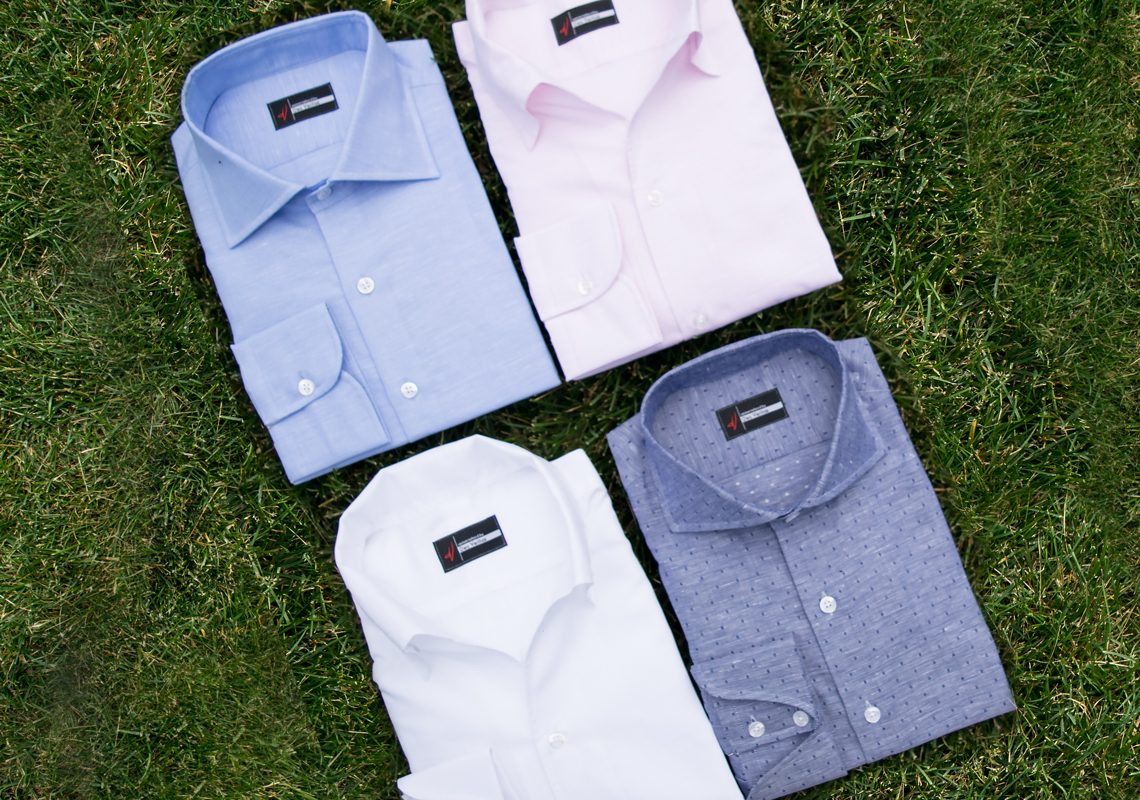
Mens Linen Shirts — The Essential Summer Wardrobe Piece
By Jean-Baptiste
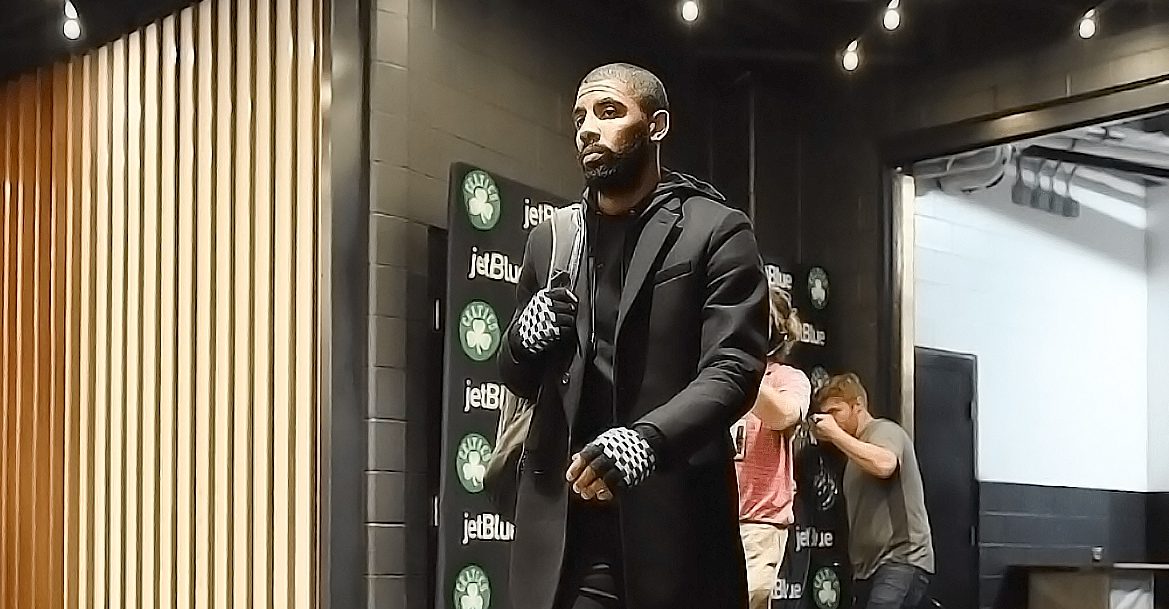
The Blazer with a Hoodie? Yep, It’s Legitimately a Thing Now
By JW Lewis
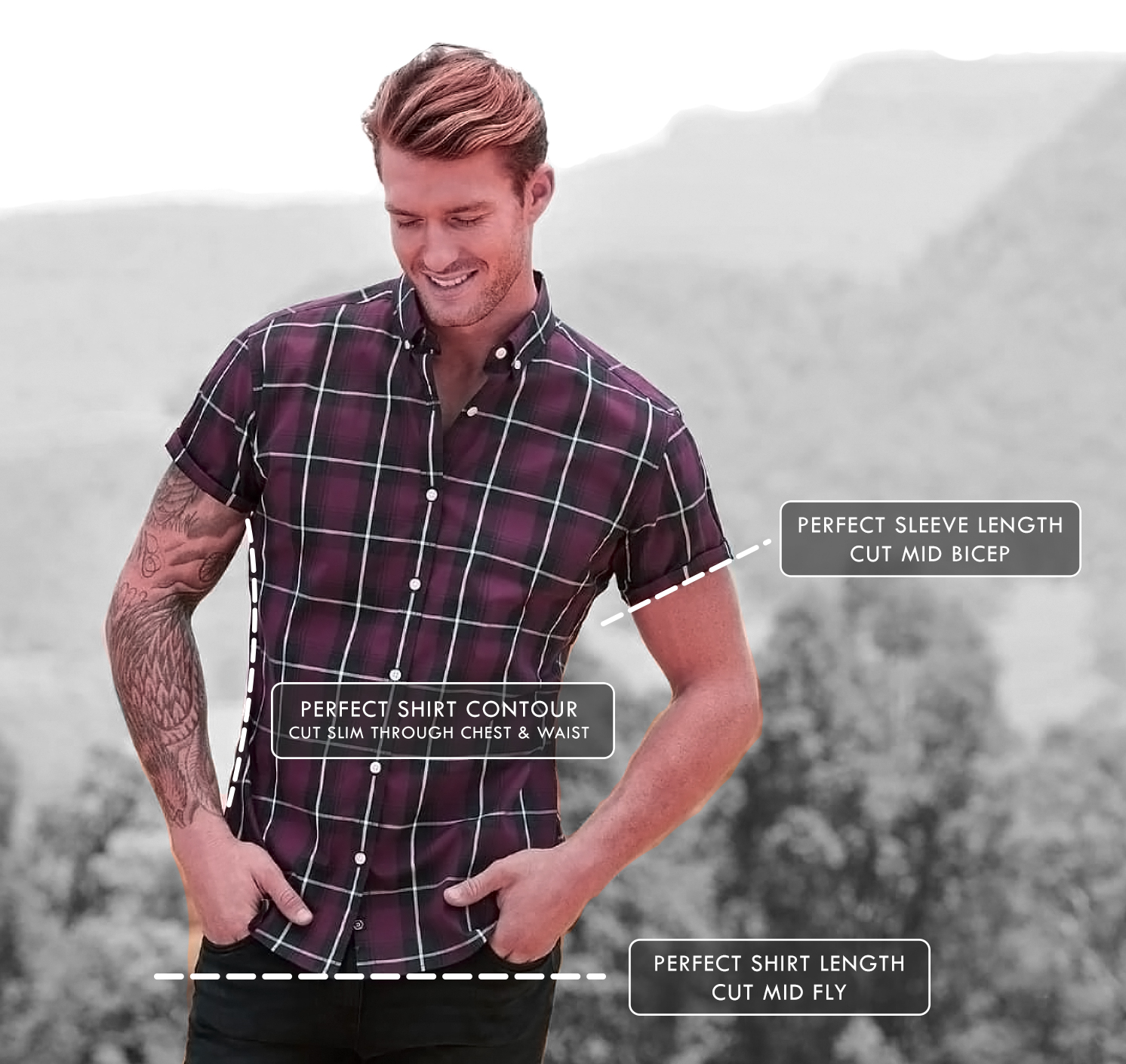
Mens Short Sleeve Dress Shirts: A Summer Fashion Guide
By JW Lewis
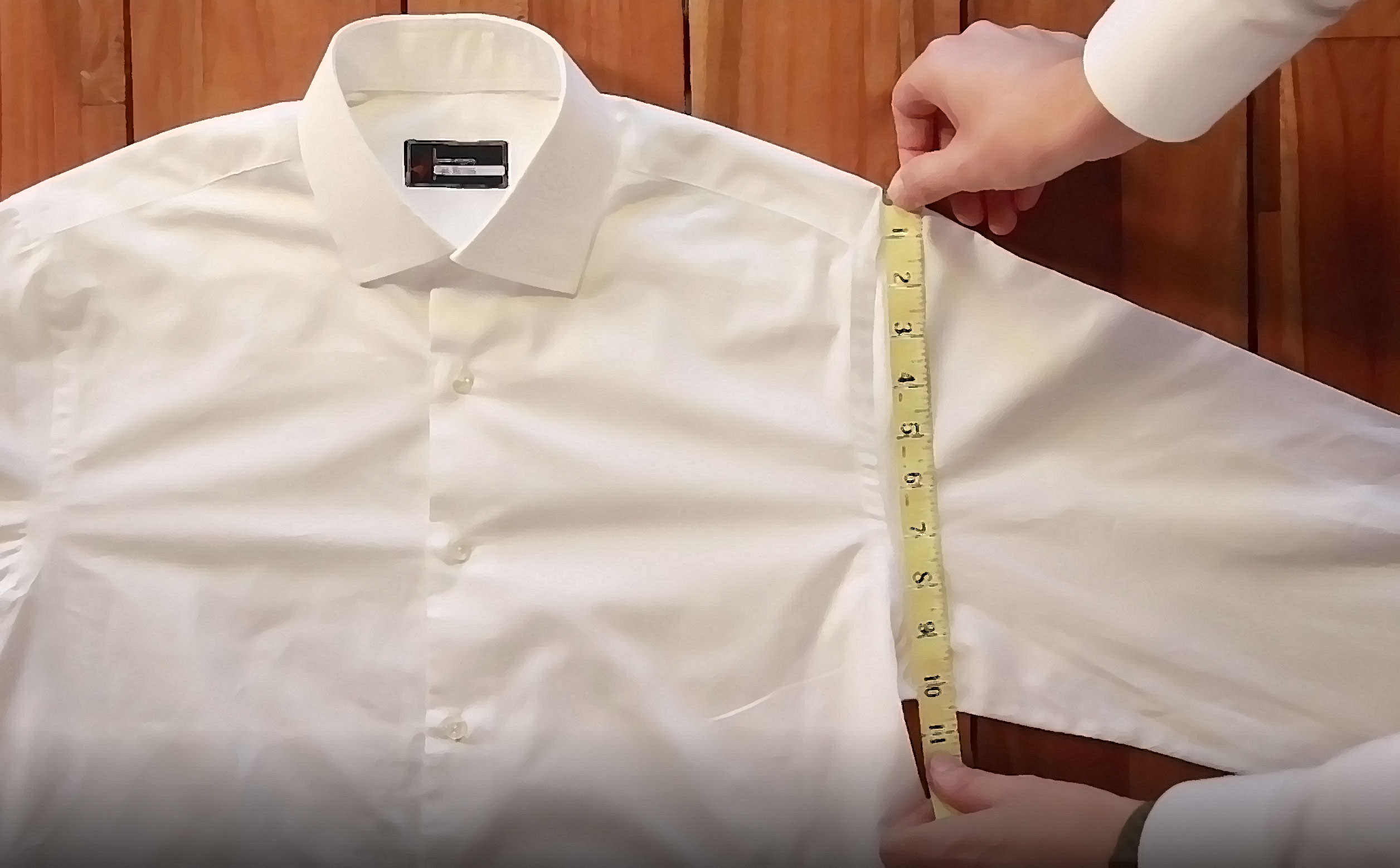
Dress Shirt 101: How to Measure a Shirt that I Already Own
By Jean-Baptiste
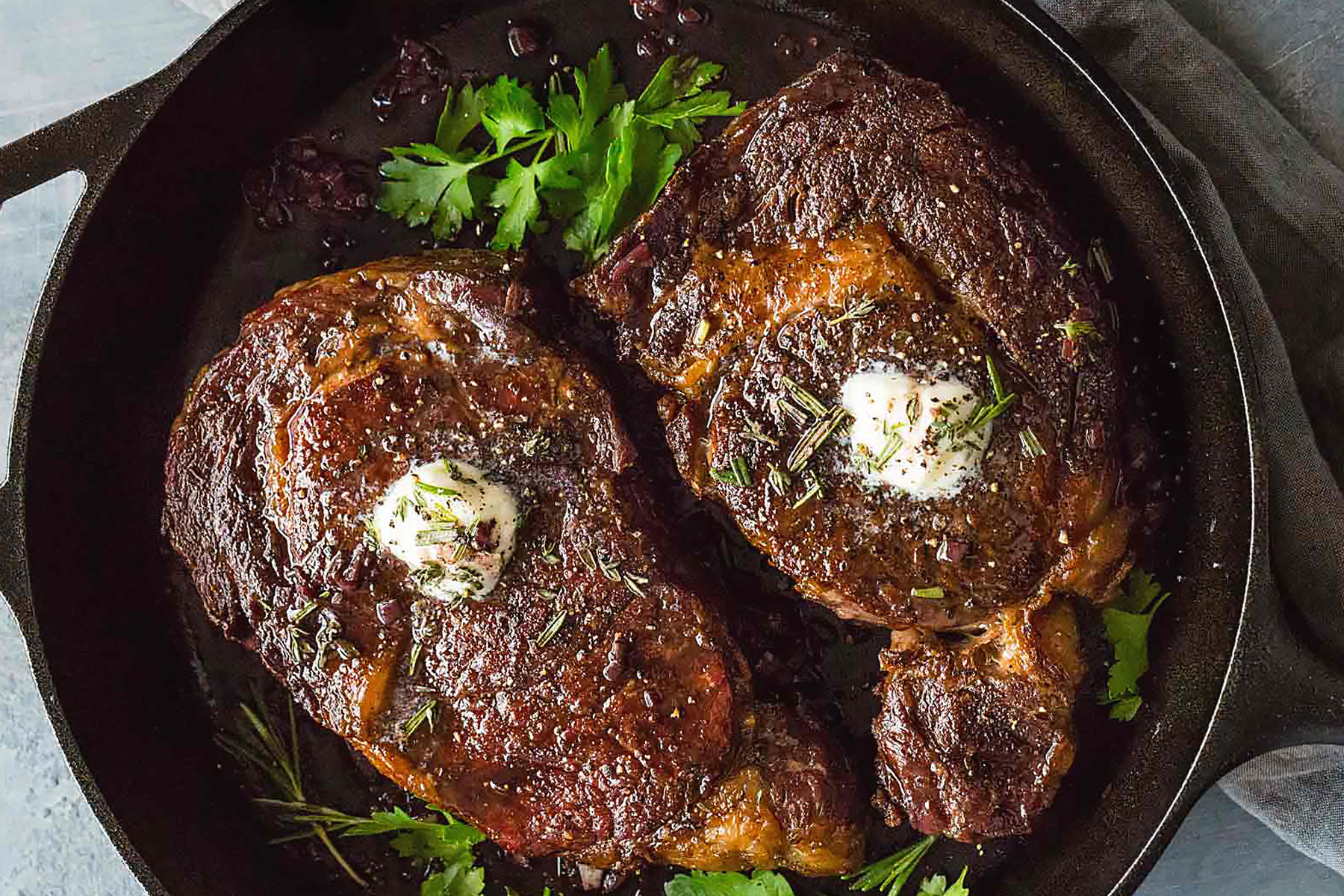
How to Cook a Perfect Cast Iron Skillet Steak
By Giorgio D'Antonio
The Mens Black Dress Shirt: Our Definitive Style
&
Buying Guide
By Lloyd Hughes
Mens Skinny Sweatpants: A Definitive History and 2019 Buying Guide
By Jean-Baptiste
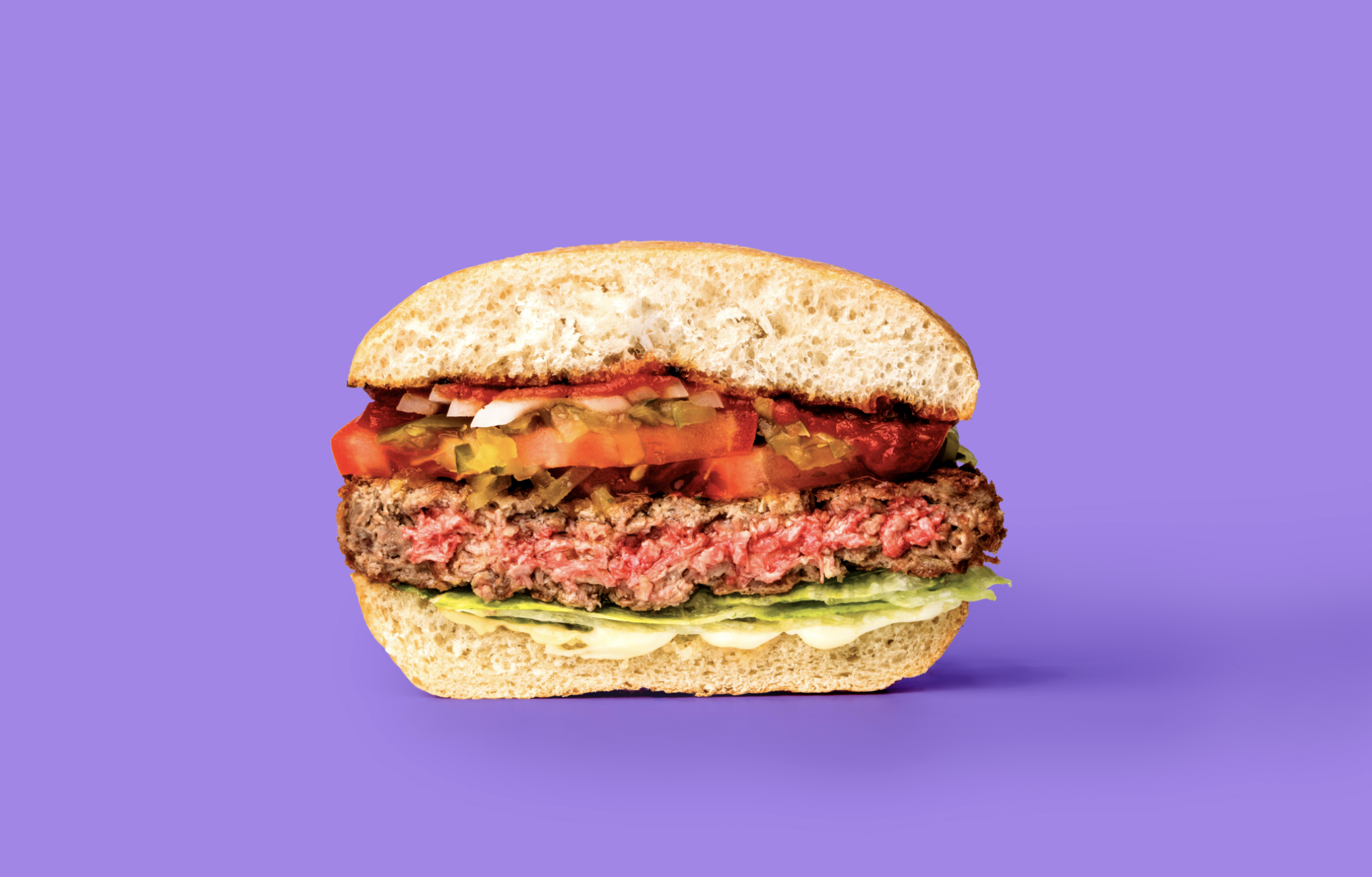
The Impossible Burger vs. Beyond Burger: The Best Plant Based Meats
By JW Lewis
The Mens White Dress Shirt — A Definitive Buying Guide on Our Favorites
By JW Lewis
Necktie Knots: A Definitive Guide to Wearing the Proper Knot
By Lloyd Hughes
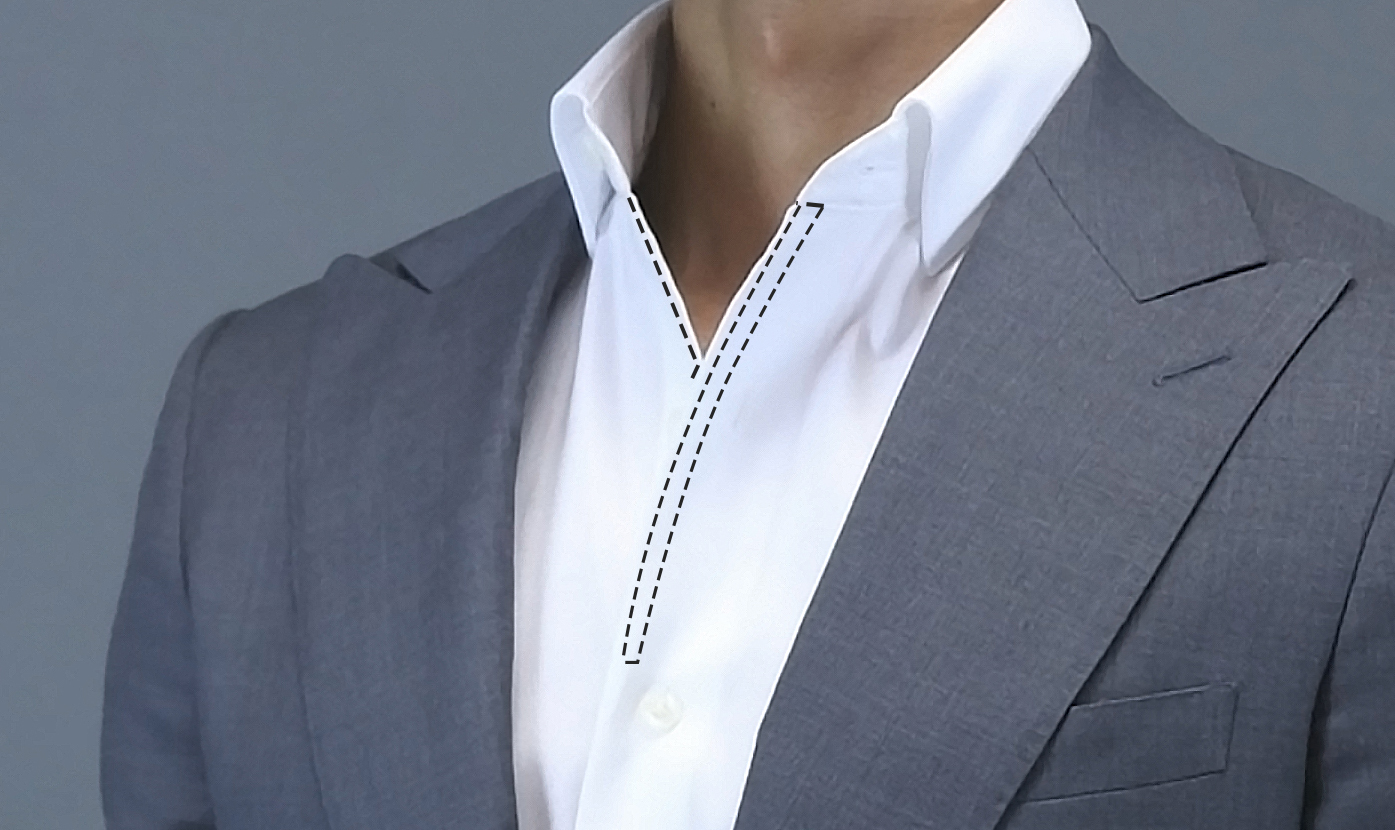
Cure a Collapsing, Weak Collar with our Newest Shirt Design Feature — Million Dollar Collar
By Jean-Baptiste
Our 2017 Malmö, Sweden Look Book | An Interview w/ Aleks Jovanovich
By Lloyd Hughes
How To Dress Like An Italian: Italian Dress Shirt Collars Deconstructed
By Lloyd Hughes
The One Piece Collar: The Greatest Collar You’ve Never Heard of
By Lloyd Hughes
Re-Creating the Daniel Craig Spectre Shirt
By Lloyd Hughes
The Ultimate Guide To Dress Shirt Collars: Styles
&
Tips
By Lloyd Hughes
Made to Measure Shirts vs. Bespoke Shirts: A Definitive Guide
By Hamza Khan
Untucked Vs. Tucked In — A Guide To Dress Shirt Length
By Miguel Vieira
How To Measure Dress Shirts: A Simple Guide
By Lloyd Hughes
A Guide to Tuxedo Shirts And Styles
By Giorgio D'Antonio
How to Keep Your Dress Shirt Collars Looking Crisp
By Miguel Vieira
How To Wash And Care For Your Dress Shirts
By Giorgio D'Antonio
Fall And Winter Dress Shirt Fabrics Overview
By Lloyd Hughes
Winter Getaway: Vermont
By Giorgio D'Antonio
Our Guide To Keeping Your Dress Shirt Tucked In All Day
By Lloyd Hughes
The 10 Best Travel Accessories And Gadgets of 2017
By JW Lewis
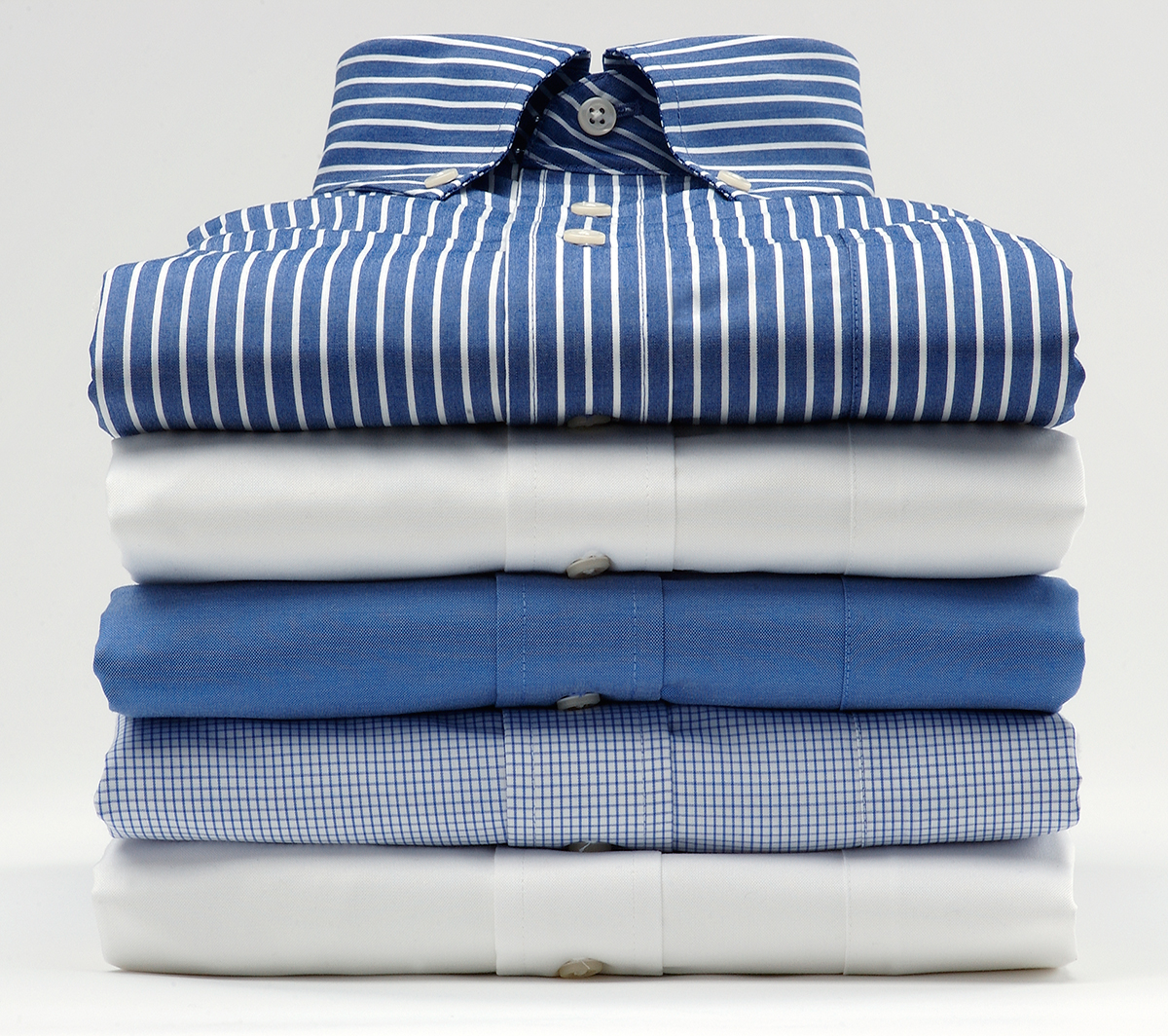
How To Fold Dress Shirts And Pack Them Properly
By Giorgio D'Antonio
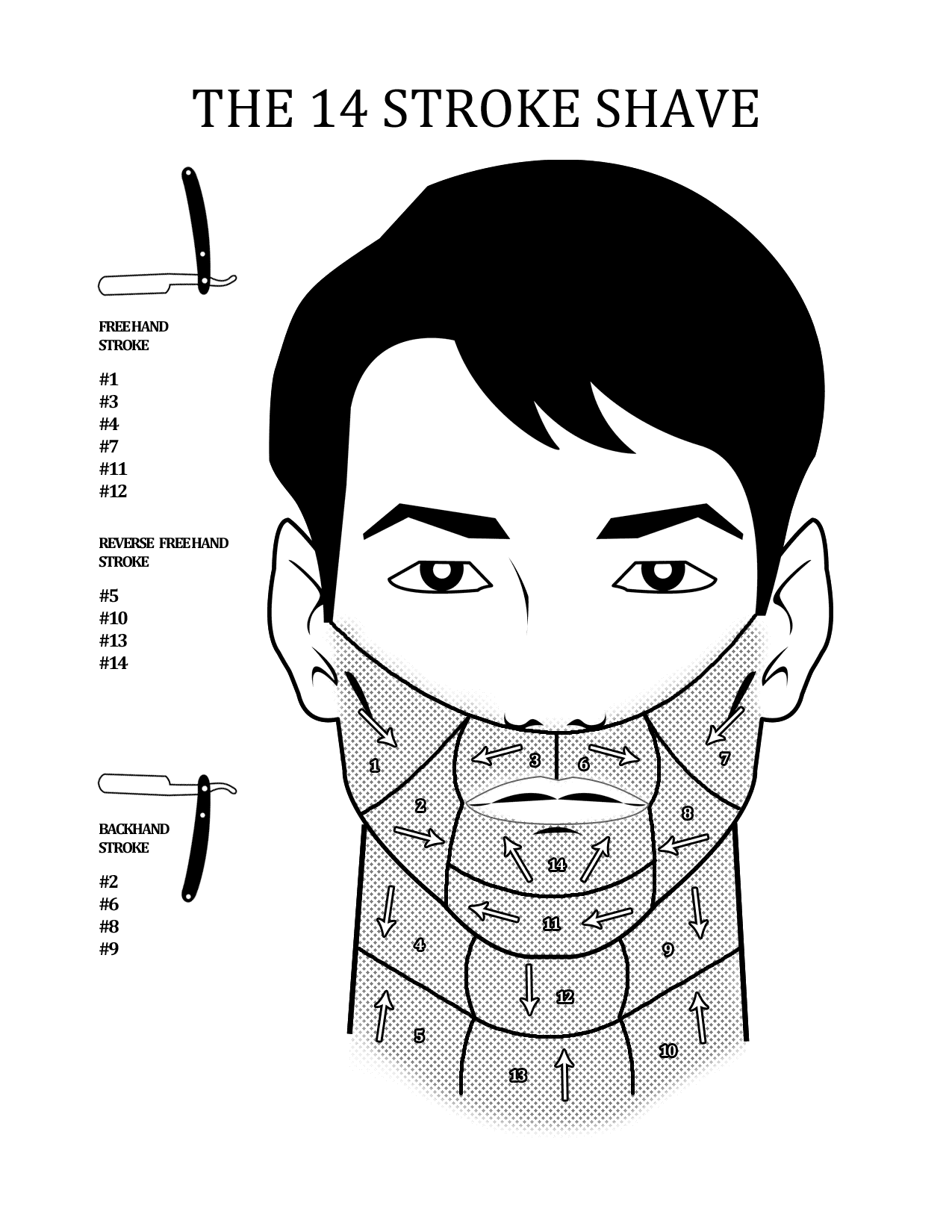
Tips For The Best Straight Razor Shaving Techniques
By JW Lewis
Business Professional Attire Vs. Business Casual — What You Need To Know
By Miguel Vieira
How To Prevent And Reduce Dress Shirt Shrinkage
By Lloyd Hughes
Wall Street Style — Featuring The Iconic Gordon Gekko
By Giorgio D'Antonio
How to Wash and Care for your Dress Shirts
By Lloyd Hughes
Style Tips For The Best Autumn Men’s Outfits
By Lloyd Hughes
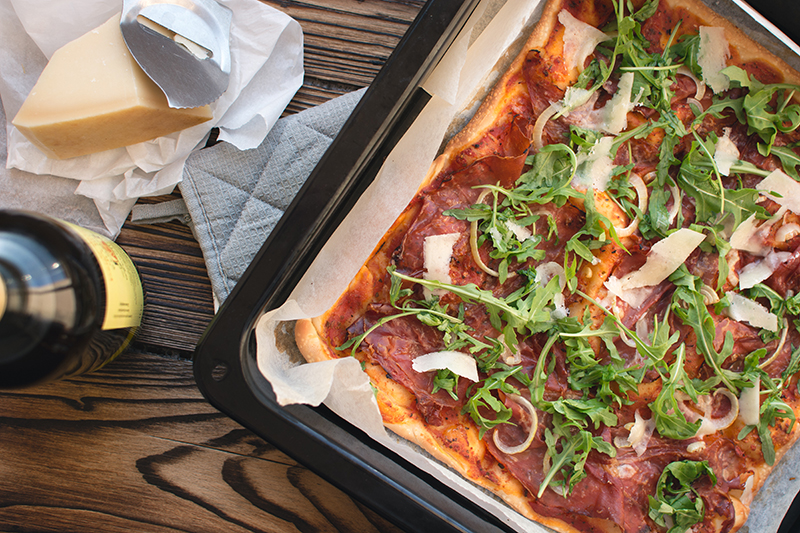
Experience An Authentic Italian Pizza Recipe And Guide
By Jean-Baptiste
Why You Should Consider The Microsoft Surface Pro 4 Vs. The MacBook Pro
By Giorgio D'Antonio
Brooklyn’s Finest | Fall Lookbook 2016
By Lloyd Hughes
The Best Travel Packing Tips For Your Next Trip
By JW Lewis
Dress Shirt Tips for Wedding Season
By Giorgio D'Antonio
Socks Are Underrated
By Lloyd Hughes
The First Deo Veritas Fitting Event in Chicago
By Giorgio D'Antonio
Avoid Non-Iron Dress Shirts
By Lloyd Hughes
Custom Dress Shirts vs. Bespoke Dress Shirts — What You Need to Know
By Lloyd Hughes
What to Cook With Vintage Cocktails
By Jean-Baptiste
Are You Tipping Correctly?
By Giorgio D'Antonio
10 Things In A Man’s Winter Wardrobe
By Lloyd Hughes
The Other Aviator Sunglasses | Pilot Aviators
By Giorgio D'Antonio
Deo Veritas Custom Dress Shirt Reviews
By Lloyd Hughes
The Forgotten Club Collar Shirt
By Lloyd Hughes
Italian Style Courtesy Of The Sartorialist
By Lloyd Hughes
Dress Shirt With Cocktail Cuffs, Inspired By James Bond
By Lloyd Hughes
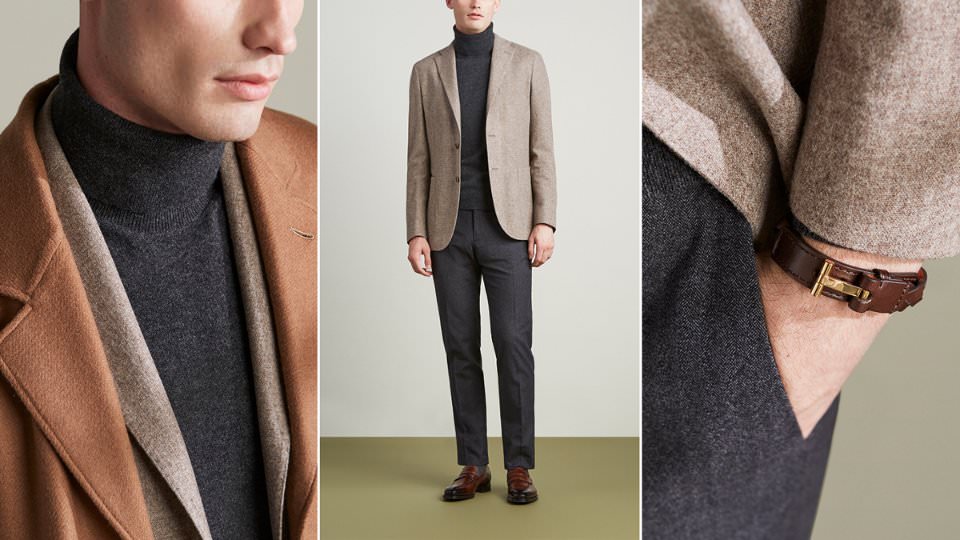
Layer Up, Layer Down | The Men’s Wool Blazer
By JW Lewis
Fused Versus Sewn Collars
By Lloyd Hughes
Our Favorite Menswear Sites
By Lloyd Hughes
Dress Shirts for Summer | Keep Cool, Look Cool
By Giorgio D'Antonio
When To Cuff Your Jeans
By Giorgio D'Antonio
How To Get A Perfectly Fitting Dress Shirt
By Lloyd Hughes
Icon of Style | James Dean
By Giorgio D'Antonio
10 Fundamentals of a Man’s Wardrobe
By Lloyd Hughes
The Manhattan, A Great Drink
By Jean-Baptiste
What You Need To Know About Dress Shirt Fabrics
By Lloyd Hughes
The Old Fashioned Cocktail
By Jean-Baptiste
The All Important White Dress Shirt
By Lloyd Hughes
SHOP
CUSTOM
DRESS
SHIRTS
PRE-DESIGNED
SHIRTS
DESIGN
YOUR
OWN
SHIRT
2019
TORONTO
LOOKBOOK
FABRICS
GIFT
CERTIFICATES
ACCESS
LOGIN
REGISTER
ABOUT
US
HOW
WE
STARTED
HOW
IT
WORKS
FREQUENTLY
ASKED
QUESTIONS
NEWS
&
PRESS
UNFUSED
—
OUR
ONLINE
JOURNAL
SPECIFICS
FABRIC
WEAVE
DESCRIPTIONS
DRESS
SHIRT
CONSTRUCTION
FRENCH
CUFFS
COCKTAIL
CUFFS
POINT
COLLAR
DRESS
SHIRTS
CLUB
COLLAR
DRESS
SHIRTS
OXFORD
COTTON
BUTTON
DOWNS
MEASUREMENTS
MEASUREMENTS
HOME
QSIZING
(
ALGORITHM
BASED
)
STANDARD
MEASUREMENTS
EXISTING
SHIRT
MEASUREMENTS
BODY
MEASUREMENTS
BY
CITY
CHICAGO
NEW
YORK
LOS
ANGELES
SAN
FRANCISCO
BOSTON
HOUSTON
CONTACT
US
SEND
US
A
NOTE
INSTAGRAM
FACEBOOK
TWITTER
SUPPORT
CONTACT
US
QUESTIONS